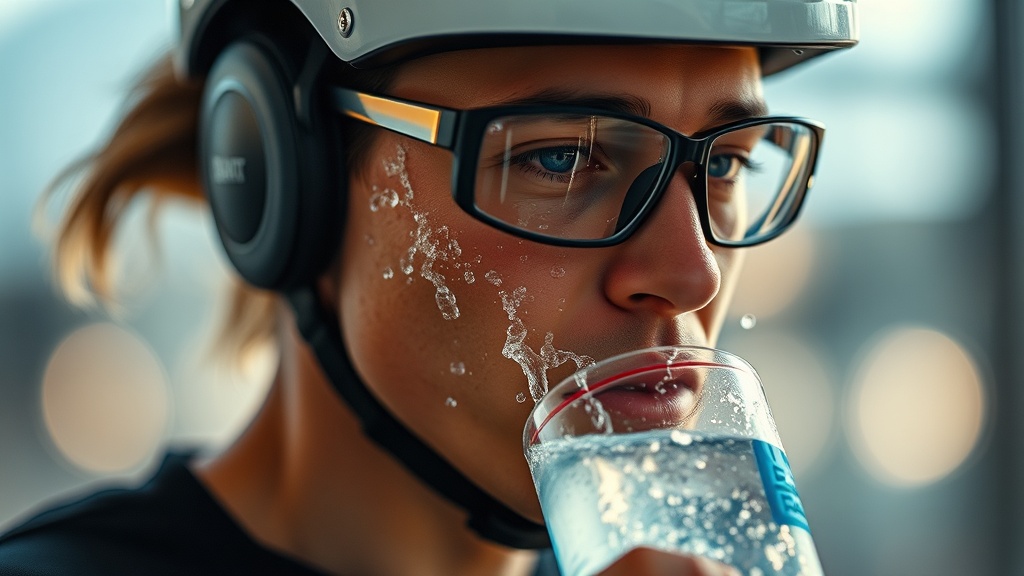
Hydrate for Better Focus and Endurance

Quick Tip
Drink small amounts of water consistently throughout the day rather than gulping large amounts only when thirsty.
Ever wonder why your focus slips right when a set of waves hits?
Hydration isn't just about quenching thirst; it's about maintaining cognitive function and physical stamina during high-intensity sessions. When you're out on the sand or hitting the trails, even a tiny dip in fluid levels can make your reaction times sluggish. This post looks at how water and electrolytes keep your brain sharp and your muscles moving.
How much water should you drink during intense exercise?
You should aim to drink roughly 7 to 10 ounces of fluid every 20 minutes during vigorous activity to maintain peak performance. Most athletes find that sipping small amounts frequently works better than gulping a liter once an hour. If you're out in the Chicago heat or under a direct sun, your needs will climb.
Don't rely on plain water alone if you're sweating heavily. You need to replace the salts you're losing. I personally grab a Liquid I.V. packet when I feel that mid-session fatigue hitting. It helps more than just plain H2O when your electrolytes are bottoming out.
Here is a quick breakdown of what your body needs:
- Water: For basic hydration and temperature regulation.
- Sodium: To prevent cramping and retain fluid.
- Magnesium/Potassium: To support muscle function (and avoid those mid-session cramps).
Can dehydration affect your reaction time?
Yes, even mild dehydration can significantly slow down your neurological processing and motor skills. In extreme sports—where a split second determines whether you land a trick or wipe out—this is a massive deal. If your brain is even slightly dehydrated, your decision-making becomes hazy. It's not just a physical issue; it's a mental one.
I've noticed it myself during long sessions. My focus drifts, and I start making sloppy mistakes. That's usually a sign I need more than just a sip of water. It's a sign I need electrolytes.
| Hydration Level | Physical Symptom | Mental Symptom |
|---|---|---|
| Optimal | High energy, steady movement | Sharp focus, quick reactions |
| Mildly Dehydrated | Light muscle fatigue | Slower decision-making |
| Severely Dehydrated | Cramping, heat exhaustion | Confusion, loss of coordination |
What are the best ways to track hydration?
The easiest way to monitor your status is by checking your urine color. According to the CDC, pale yellow is the goal. If it looks like apple juice, you're already behind the curve.
If you're serious about your output, consider using a high-quality insulated bottle like a Hydro Flask to keep your water cold. Drinking lukewarm water during a workout is a chore—nobody wants that. Keeping it cold makes it much easier to hit your volume goals throughout the day.
Keep your bottle handy and check your levels often. Your performance depends on it.