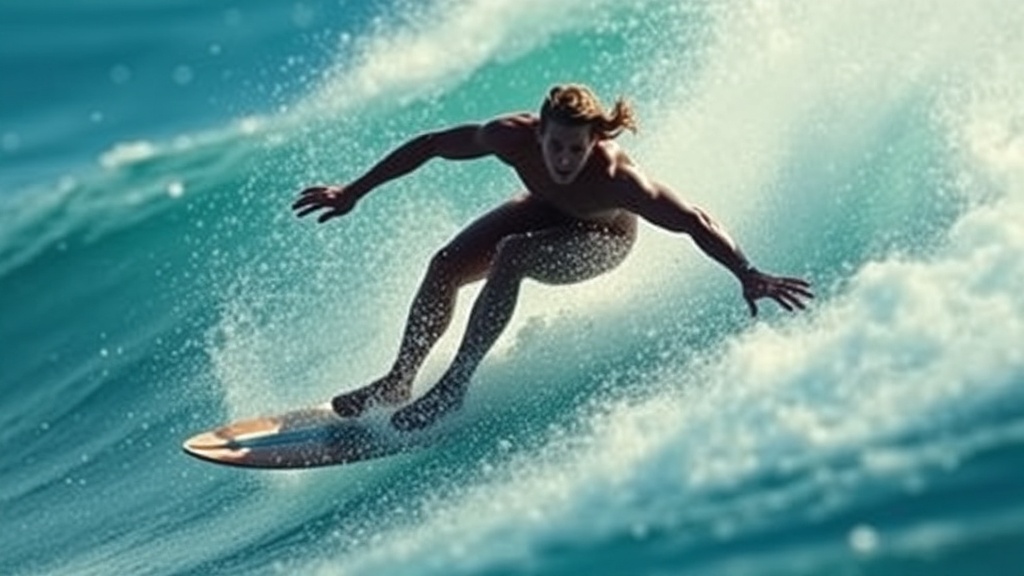
Why Your Skimboard Performance Depends on Post-Session Inflammation Control
The Myth of the "No Pain, No Gain" Mentality
Most skimboarders believe that if they aren't feeling a dull ache in their joints the day after a heavy session, they didn't work hard enough. This is a mistake. Muscle soreness is one thing, but chronic inflammation—the invisible byproduct of high-impact lateral movements and repetitive ocean sprints—is a different beast entirely. If you ignore the physiological tax your body pays during a session, you aren't building toughness; you're building a one-way ticket to a torn ligament or a chronic tendon issue. This post covers how to manage systemic inflammation through targeted recovery techniques to ensure you stay on the sand rather than on the sidelines.
Skimboarding is a high-intensity, high-impact sport. Every time you drop into a wave or execute a hard carve, your body absorbs a shockwave that travels through your ankles, knees, and hips. While the adrenaline of a perfect ride might mask the immediate fatigue, the biological cost is high. We're talking about micro-tears in muscle fibers and systemic oxidative stress. If you want to keep your edge, you have to treat recovery with the same intensity you bring to the shoreline.
Can You Speed Up Muscle Repair with Nutrition?
The conversation around recovery usually stays stuck on protein, but that's only half the story. To effectively lower inflammation, you need to look at the micronutrient density of your fuel. While protein provides the building blocks for muscle, it doesn't actively combat the inflammatory response. You need antioxidants to neutralize the free radicals produced during intense physical exertion. Think of it as a two-pronged attack: protein for repair, and antioxidants for damage control.
Consider these dietary elements when planning your post-session meals:
- Omega-3 Fatty Acids: Found in fatty fish or algae-based supplements, these are highly effective at regulating inflammatory pathways.
- Polyphenols: These are found in berries and dark leafy greens; they help combat oxidative stress.
- Magnesium: A vital mineral for muscle relaxation and nervous system regulation.
For more detailed information on how different nutrients affect physiological processes, the Healthline nutrition guides offer deep dives into food-based inflammation management. Relying solely on supplements is a mistake; real food is your primary tool.
Is Cold Water Immersion Actually Effective for Athletes?
There's a massive debate in the extreme sports community regarding ice baths and cold-water therapy. Some argue it stunts muscle hypertrophy, while others swear by its ability to dampen the central nervous system's response to stress. For a skimboarder, the reality is more nuanced. Cold water immersion (CWI) is excellent for reducing acute swelling and numbing the sensation of pain after a grueling day in the surf, but it shouldn't be your only tool.
When you use cold exposure, you're essentially forcing a vasoconstriction response. This helps flush metabolic waste out of the muscle tissue. However, if you're in a heavy hypertrophy phase—trying to build raw strength—using ice too frequently might actually interfere with the natural inflammatory signals that tell your body to grow. A balanced approach is best: use cold exposure for recovery after high-intensity sessions, but avoid it if you're focusing on pure strength gains. You can find more on the physiological effects of temperature through the PubMed database for peer-reviewed studies on sports science.
How Do You Prevent Chronic Joint Fatigue?
Joint fatigue is the silent killer of a skimboarding career. Unlike muscle fatigue, which feels like a heavy weight, joint fatigue feels like a loss of stability or a "clicking" sensation in the hips and ankles. This is often a sign that your connective tissue is struggling to keep up with your cardiovascular capacity. If your lungs are ready to go but your ankles feel "loose," you've reached a dangerous threshold.
To mitigate this, you must integrate mobility work that focuses on end-range strength. It isn't enough to just be flexible; you need to be strong at the very edge of your range of motion. This means doing more than just basic stretching. You need eccentric loading—exercises where the muscle lengthens under tension—to fortify the tendons. This might include slow, controlled single-leg movements or deep, weighted lunges. This isn't about being "limber"; it's about building a chassis that can handle the torque of a high-speed turn without snapping.
The Role of Sleep in Long-Term Performance
If you think you can out-train a bad sleep schedule, you're dreaming. Sleep is the single most effective recovery tool in existence. During deep sleep cycles, your body releases growth hormones and performs the heavy-duty maintenance required to repair the damage from a day of skimming. If you're consistently getting six hours of sleep instead of eight, you are essentially operating on a deficit that will eventually manifest as a loss of coordination and reaction time.
The relationship between sleep and the nervous system is critical for extreme sports. Skimboarding requires incredibly fast neuromuscular feedback loops. If your brain is fatigued, your reaction to a shifting wave will be a fraction of a second too slow. That fraction of a second is the difference between a clean ride and a wipeout. Treat your sleep window as a non-negotiable part of your training regimen—not an afterthought. A high-quality sleep environment, characterized by darkness and a cool temperature, is just as vital as the board you ride.